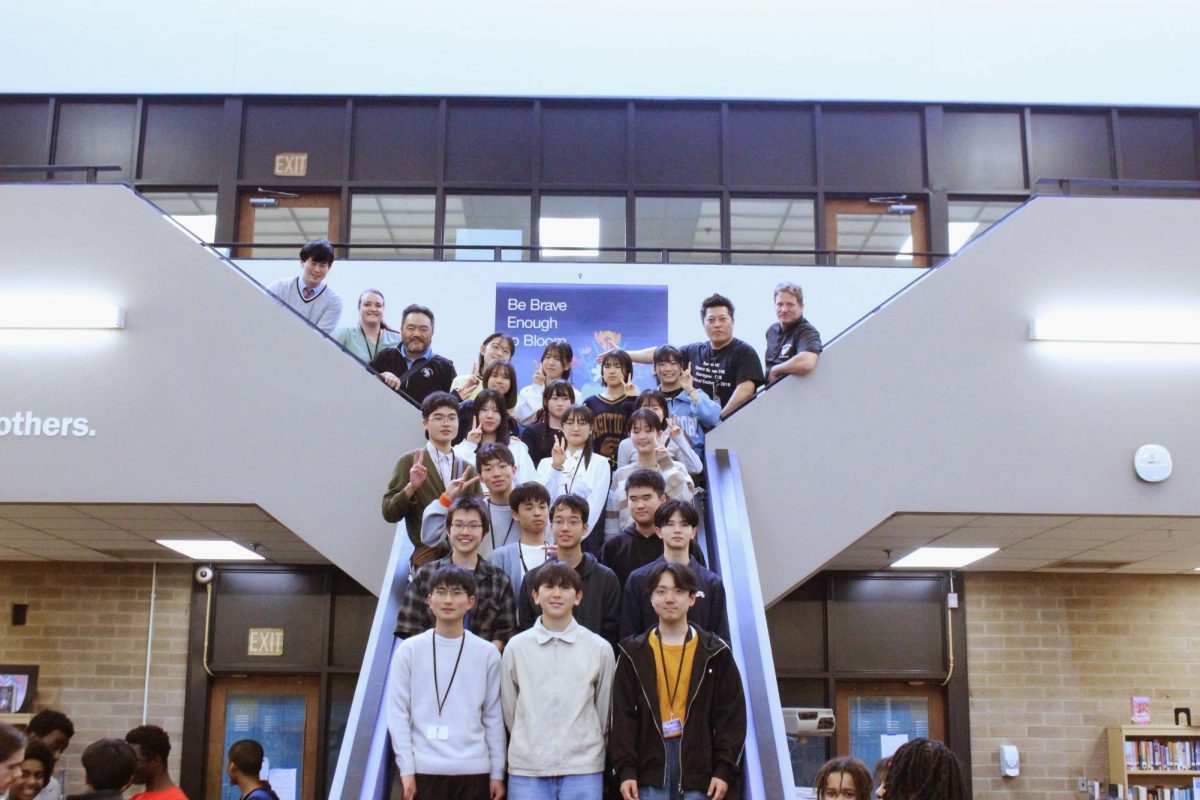
Since 1989, Eleanor Roosevelt High School (ERHS) has participated in a sister school agreement and student exchange program with Yokohama Suiran High School (YHSR). This year, the Japanese exchange program–organized by Roosevelt’s primary Japanese instructor, Mr. Tetsuo Ogawa, and the Japanese National Honor Society (JNHS)–welcomes Japanese students from multiple Japanese high schools throughout March and April. Students from all delegations were hosted by ERHS students’ families. The first and largest delegation from Yokohama Suiran arrived in early March. Other delegations, including students picked by the Kanagawa Board of Education and those in Atsugi High School, arrived in mid-March and April. In accordance with this exchange agreement, Roosevelt students have opportunities to visit YHSR in June as American exchange students. Japanese exchange programs allow students to experience day-to-day life in a country other than their own, engaging in cultural exchange that allows them to obtain greater insight into opportunities abroad. Ogawa, who has been coordinating the exchange program since 2007, takes pride in how it has blossomed since he began. He observed how “the exchange is becoming more academic” and recalled how “when [the exchange program] started, it was almost entirely a cultural exchange, but now it [allows for] more time to talk about learning subjects and school topics as well.”
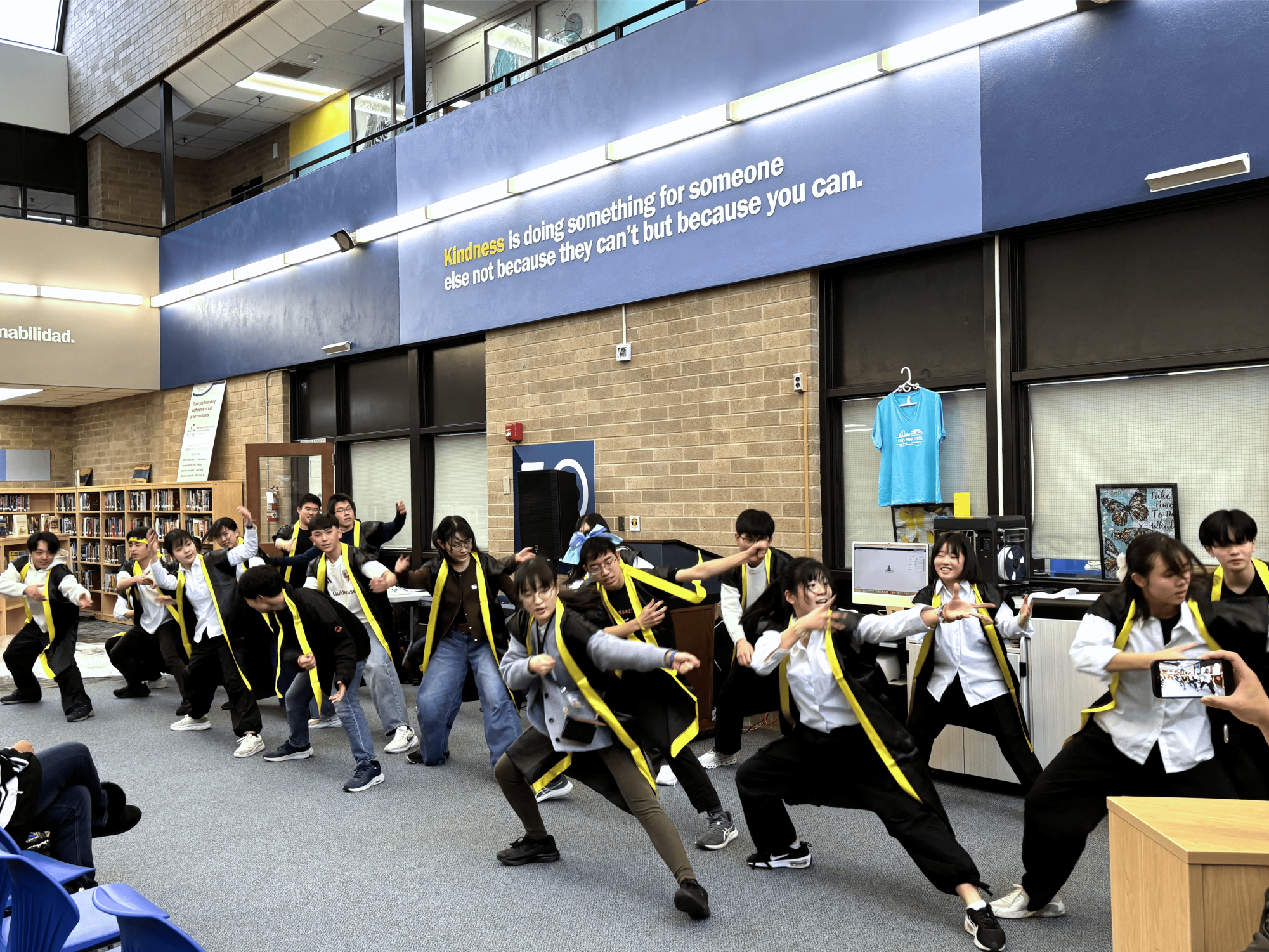
For many Japanese students, this experience was their first time travelling abroad. In order for Japanese students to qualify for the exchange program, they went through a rigorous application process, which included tests and other preparations. Most Japanese students joined the exchange program to experience the life of an international student, explore future careers, make new friends, and reconnect with previous students. Seiya Kobayashi, a 10th grader from YHSR, previously hosted an ERHS student who studied abroad in Japan and wanted to reunite with them. According to the exchange students’ observations, American culture and tradition are significantly more relaxed than those of Japan. The students liked how American high schools had pragmatic subjects, flexible classes, high-quality facilities, friendly students, and opportunities for students to show their personal talents through visual and performing arts showcases. They also recounted the differences between American and Japanese schools, such as differences in universities, driving regulations for students, and an increased number of student-hosted parties.
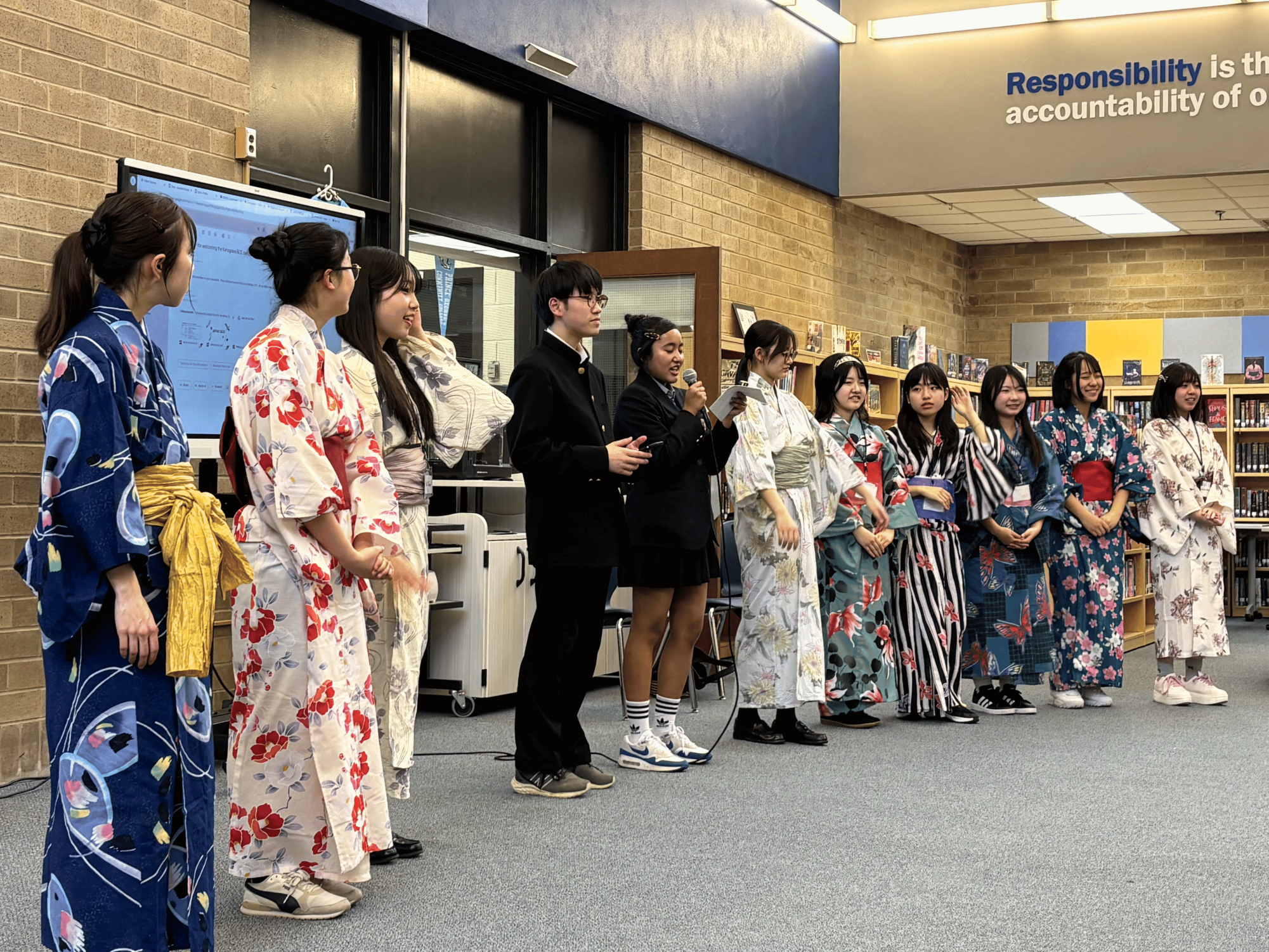
Despite the rigorous qualification process, 10th grader Minato Tanaka from YHSR notes that his experience participating in the exchange program “was so great. The people there were kind, energetic, and friendly.” Another student, Kotaro Yasunaga, an 11th grader from YHSR, reflected on his one-week experience at ERHS by recalling his social, cultural, and educational observations. Yasunaga mentions how “the American education system creates an environment where motivated students can grow more easily” and that this program positively influenced his plans of studying abroad in the future. Some students, like Rin Besho, a Junior at ERHS, have hosted students during previous exchanges. Besho reminisces about how she deeply enjoyed spending time with the students, admitting that it was difficult to accept the short one-week period spent with them. “Our bond feels a lot stronger than that,” Besho reflects.
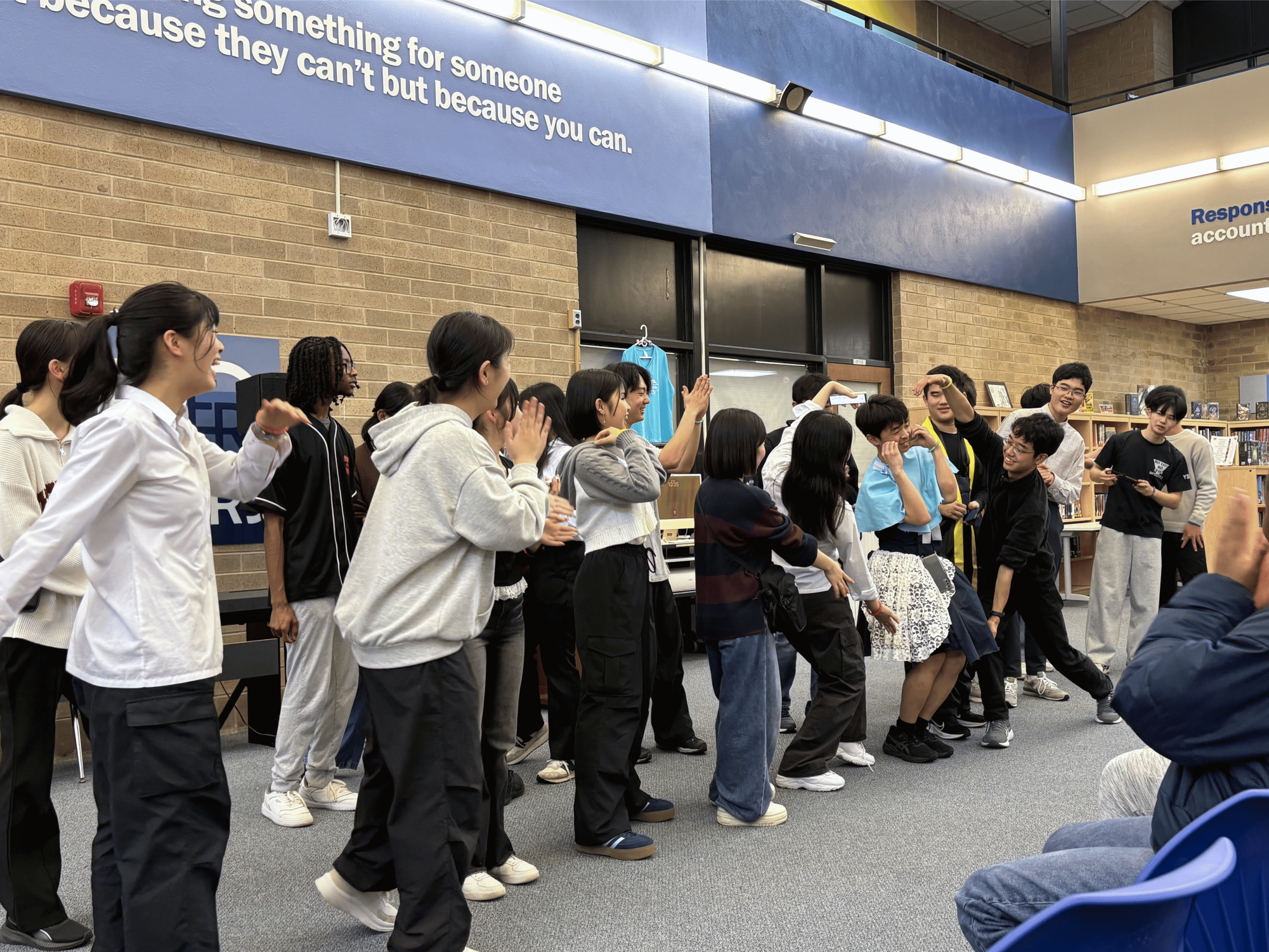
As ERHS students formed special relationships with the exchange students, difficulties like time constraints persisted. Olivia Ba, a Junior at ERHS, notes, “You’re trying to give your exchange students the best time they can have, so you go out to places like D.C. or Annapolis.” Time constraints can take away from the enjoyment of an experience because everything feels rushed. Additionally, there is not enough time to engage constructively with the country’s culture. Similarly to Ba, Aaron Khoo, a Senior at ERHS, shared how he believes all the hosts “[want] to give the students the best possible experience.” However, simultaneously organizing activities while balancing personal life was difficult, especially during exam season. According to Ba, hosting can be “physically and mentally challenging,” but is still a valuable experience because of the lifelong friendships that may be developed.
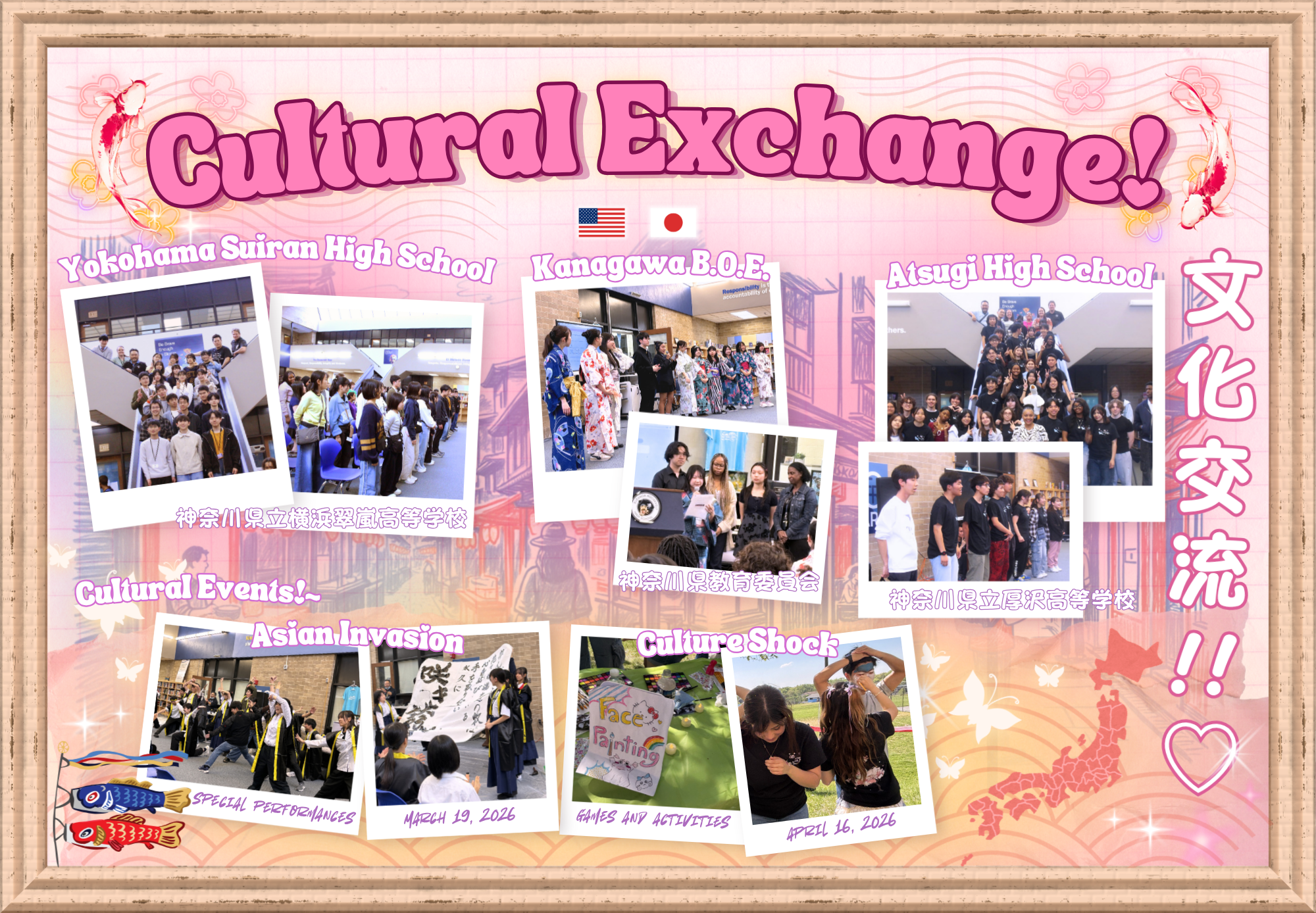
The Japanese exchange program has had a significant impact on both the ERHS community and the exchange students’ perceptions of meeting new people from other countries and forming friendships. Some exchange students, such as Ayako Enomoto, a 10th-grader from YHSR, cherished her exciting and fun experience at ERHS. “I was so happy that everyone at Roosevelt High School talked to me so brightly and with such big smiles,” Enomoto recalls. Despite the exchange students’ limited stay at ERHS, both the Japanese and American students positively reflected on their experiences. Many JNHS members expressed their appreciation for being a part of the Japanese program. The hard work and dedication from host students and members who helped plan cultural events like Asian Invasion and Culture Shock made the Japanese students’ visits to ERHS an unforgettable experience.