

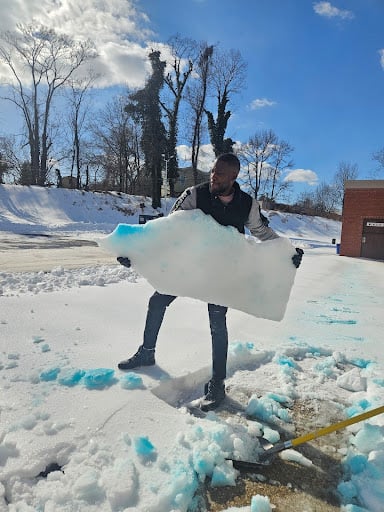
Maryland has faced a brutal start to 2026, enduring one of its most punishing winter stretches in recent history. The state was hit by a pair of massive storms, most notably a late-January blizzard and a severe “bomb cyclone” in February that dropped up to 16 inches of snow in some communities. These events were compounded by an extreme cold wave that saw temperatures in the Baltimore-Washington metro area plunge into the single digits. In Baltimore, the frigid streak tied for the second-longest subfreezing stretch since records began in 1950, with ten consecutive days failing to rise above 10 degrees. This year’s conditions are significantly worse than previous seasons due to the sheer intensity and persistence of the cold air; while Maryland averages roughly 20 to 25 inches of snow annually, many regions nearly surpassed their entire seasonal average in just these two months.
For school students, these extreme conditions have caused unprecedented disruptions to the academic year. “These extended days are cutting into my summer break. I’m supposed to do an internship over the summer and they don’t have the time to wait for me to finish class. My teachers teach till the last day” said Liam, an 11th Grader at ERHS. Another student echoed his complaint, “I have plans for the summer and now I have less time for those activities.” Austin, another 11th Grader had said. Major districts like Prince George’s County and Montgomery County Public Schools were forced into week-long closures due to persistent icing, water main breaks, and unsafe transportation conditions. The frequency of these “snow days” initially pushed the scheduled end of the school year as late as June 26th to meet state instructional requirements. Beyond scheduling, the extreme weather has impacted student well-being; the prolonged closures hindered access to essential school-based free meal programs, while the shift to virtual learning—when available—highlighted ongoing inequities for students with limited internet access or jobs.
