
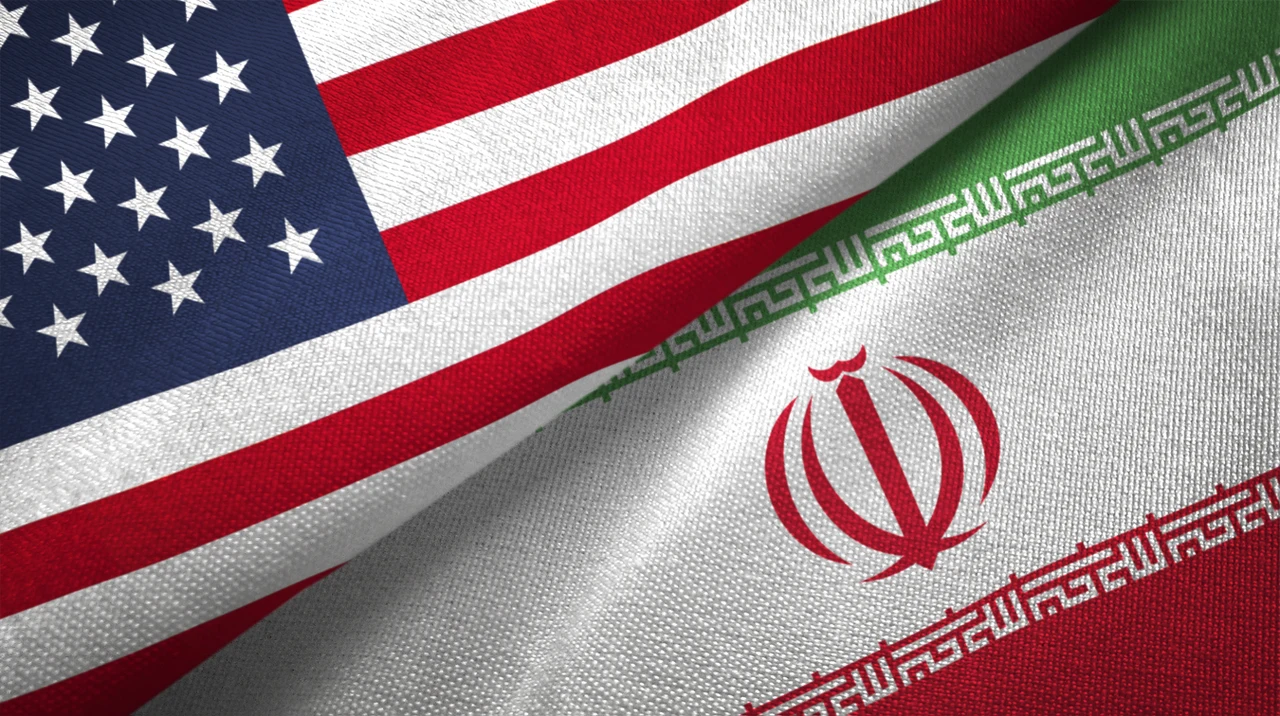
On February 28th, 2026, the United States and Israel launched a collaborative attack on Iran, killing over forty Iranian officials — including leader Ali Khamenei — along with over one thousand Iranian citizens and children. The attack was reportedly a preemptive strike on Trump’s behalf, despite Pentagon officials disproving any threat coming from Iran. The Trump administration failed to get Congressional approval to attack Iran, causing U.S. citizens to question the legality and ethics of the US declaring war on Iran, after the president promised to end foreign wars.
Trump is feeling pressure from citizens, saying that “[republicans have] got to win the midterms, because if [we] don’t win the midterms, it’s just going to be — I mean, [democrats will] find a reason to impeach me.” Trump’s approval ratings are dropping, according to a poll from The Economist, with 56% of voters disapproving of his presidency so far.
The bold-faced actions that this administration has taken makes some voters wonder if the Trump administration will use emergency powers for a larger scandal, such as pushing back the midterm elections to maintain power. Throughout history, many world leaders have used war as a tactic to employ dictatorship onto their citizens using emergency powers. Famous examples include Japan’s Hirohito and Germany’s Hitler during World War II, where both leaders enforced fascism to maintain powers, as well as Iraq’s Sadam Hussein, who used the military to cling to power despite large disapproval rates.
The fact that citizens even have to question if the Trump administration would employ this onto the U.S. makes voting in the midterm elections majorly important. To learn more about voting this November, you can use this resource from The U.S. Vote Foundation, which will give you more information about what the midterms are, how to vote, and how the midterms will affect you as a citizen.