

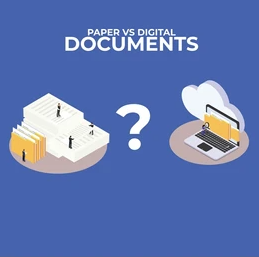
ERHS students and teachers provide their preference for digital and physical media. Jovyn Brown a student at ERHS stated students often rely on digital tools, like e-books and online articles, which is more convenient. Teachers, however, sometimes favor printed textbooks and materials for lessons and assignments. These perspectives reflect experiences during the current school year, in classrooms, the library, and at home. The purpose is to understand which format best supports learning, engagement, and accessibility.
Digital media allows students to access materials quickly and carry many resources without physical bulk. As Bresó‑Grancha et al. (2022) note, “Not surprisingly, most university students prefer this digital medium.” However, research also highlights the benefits of printed materials for comprehension and retention. One study found, “Readers comprehended and retained slightly less information when reading on digital screens compared to reading with printed materials.” This shows that both formats give different advantages depending on the context.
Regardless of the popularity of digital tools, printed books are still widely used. Surveys show that 45% of people bought a printed book last year, compared to 23% who bought an e-book. Teachers at ERHS also observe that students focus better when using printed textbooks. A systematic review confirms that reading outcomes depend on multiple things, including age, reading skills, and context, however print often supports deeper comprehension.
At ERHS, students and teachers recognize the strengths and weaknesses of both digital and physical media. Digital resources provide convenience and easy access, while printed materials often enhance focus and comprehension. By combining both formats, students can maximize their learning while enjoying the benefits of modern technology and traditional resources.