
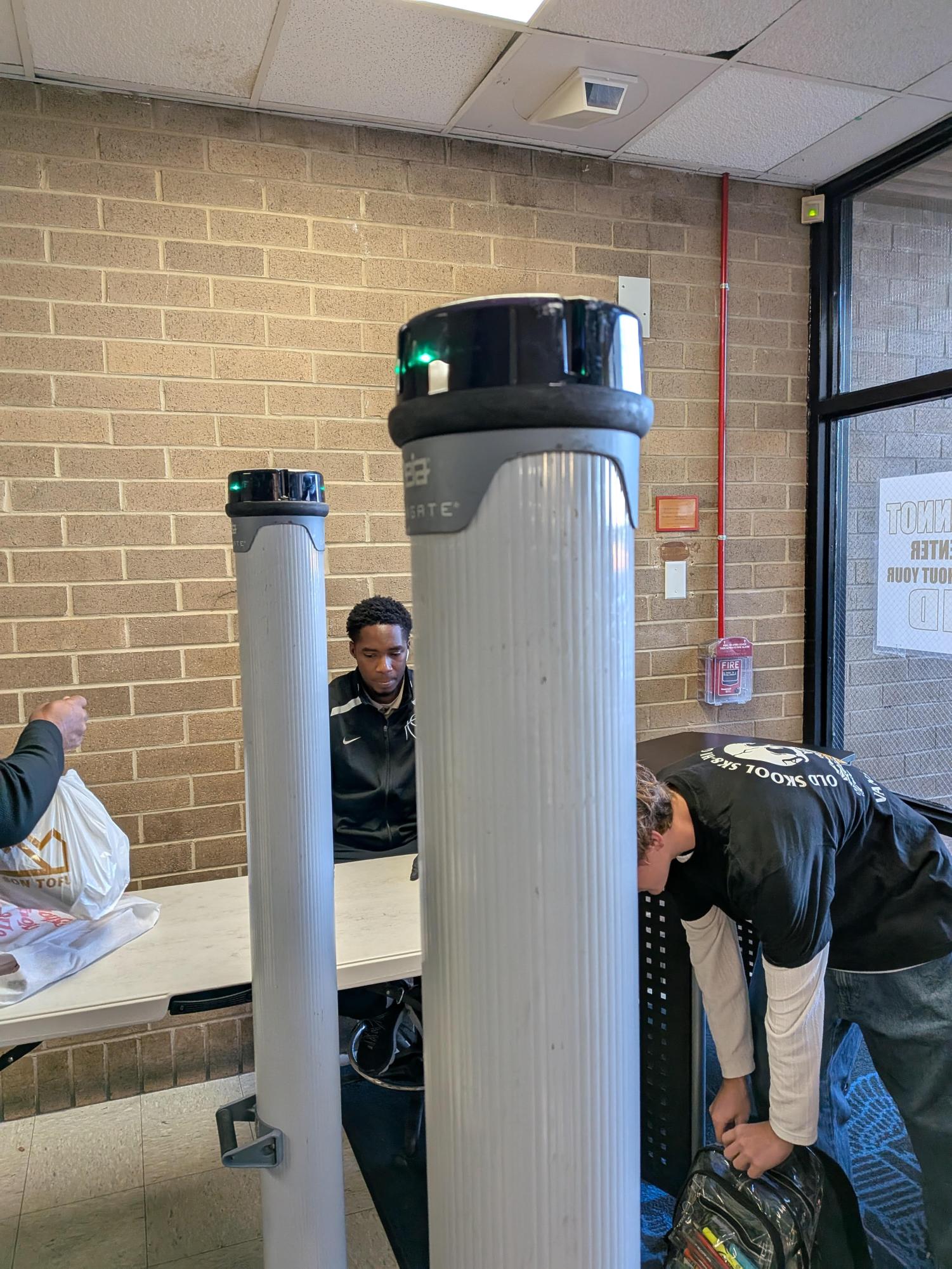
The most visible “Enhanced Security” measures implemented by the county aren’t just frustrating, they cost $20,000 each—and they don’t really help. In 2023, PGCPS installed CEIA’s Opengate metal detectors at ERHS following a spur in violence across the country, recommended by a “PGCPS Safety Measures Workgroup.” On the other hand, there’s no widely recognized conclusive research on metal detectors for schools, and the installment of the metal detectors was stated to have been “proactive” rather than being installed based off of threat levels or specific events said Sr. Information Specialist Lynn McCawley. From the TSA’s more extensive measures meeting an 80% failure rate in 2017, to the fact that the detectors installed at ERHS alert on nearly half of the people in line, it’s hard to believe that they help anything besides CEIA’s profits.
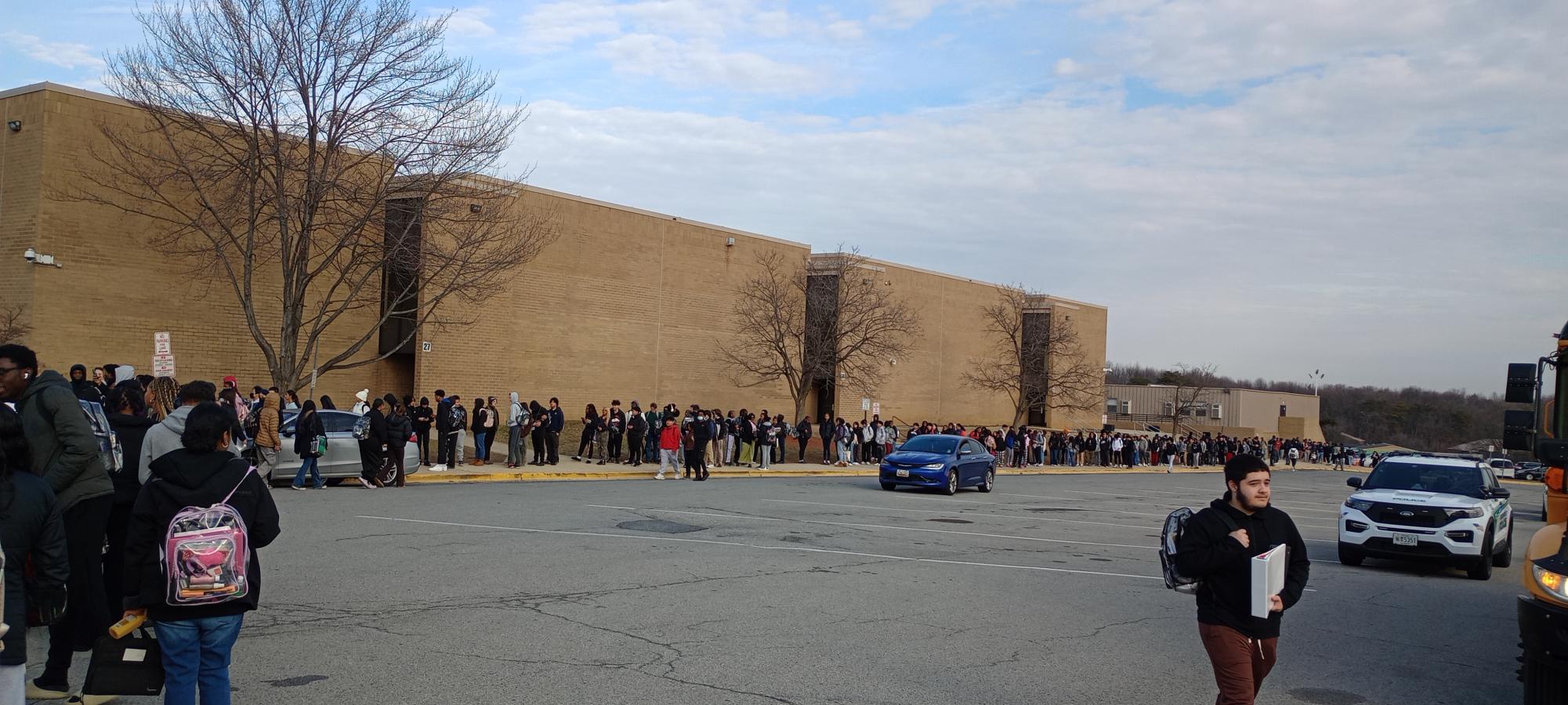
Alarm Fatigue is ” a state of mental and operational exhaustion caused by an overwhelming number of alerts—many of which are low priority, false positives or otherwise non-actionable.” As defined by IBM, an established computer and security corporation. Alarm fatigue is rampant at ERHS. In the morning, over a short time of four minutes, security at ERHS scanned 92 students in one line; of these 92, 43 set off the metal detectors, or around 46%—none of these detections were searched or investigated further, against county policy. So why do these alarms happen so often when CEIA, the company behind Opengate, the metal detectors at ERHS, advertises them to have “Near Zero Nuisance Alarms?”
First, being top-of-the-line, Opengate is configurable to certain detection parameters; when changed you can usually see an increase in alarms—and therefore lines. After a major event in the community, or a threat to the school, lines get longer, likely due to an increase in the sensitivity of the system, or an increase in investigation of alarms. Second, in contrast, airport security requires travellers to take everything out of their pockets, they can’t carry any metal with them, then they go through a full-body scanner. Roosevelt does not have the time or the tech to do this, so they have students remove their Chromebook, keep their keys, their phone, and their binders. It’s inevitable that these items alone will set off the metal detectors on their higher settings. Finally, CEIA states that Opengate is used to detect “high caliber assault weapons. . .and IEDs [Improvised Explosive Devices].” These detection targets are ideal for large public events and other situations that might draw a terrorist, but the threat is different at schools; metal detectors cannot detect small knives without detecting keys, and if the detectors are constantly detecting those keys and binders, more significant threats will slip through detections.
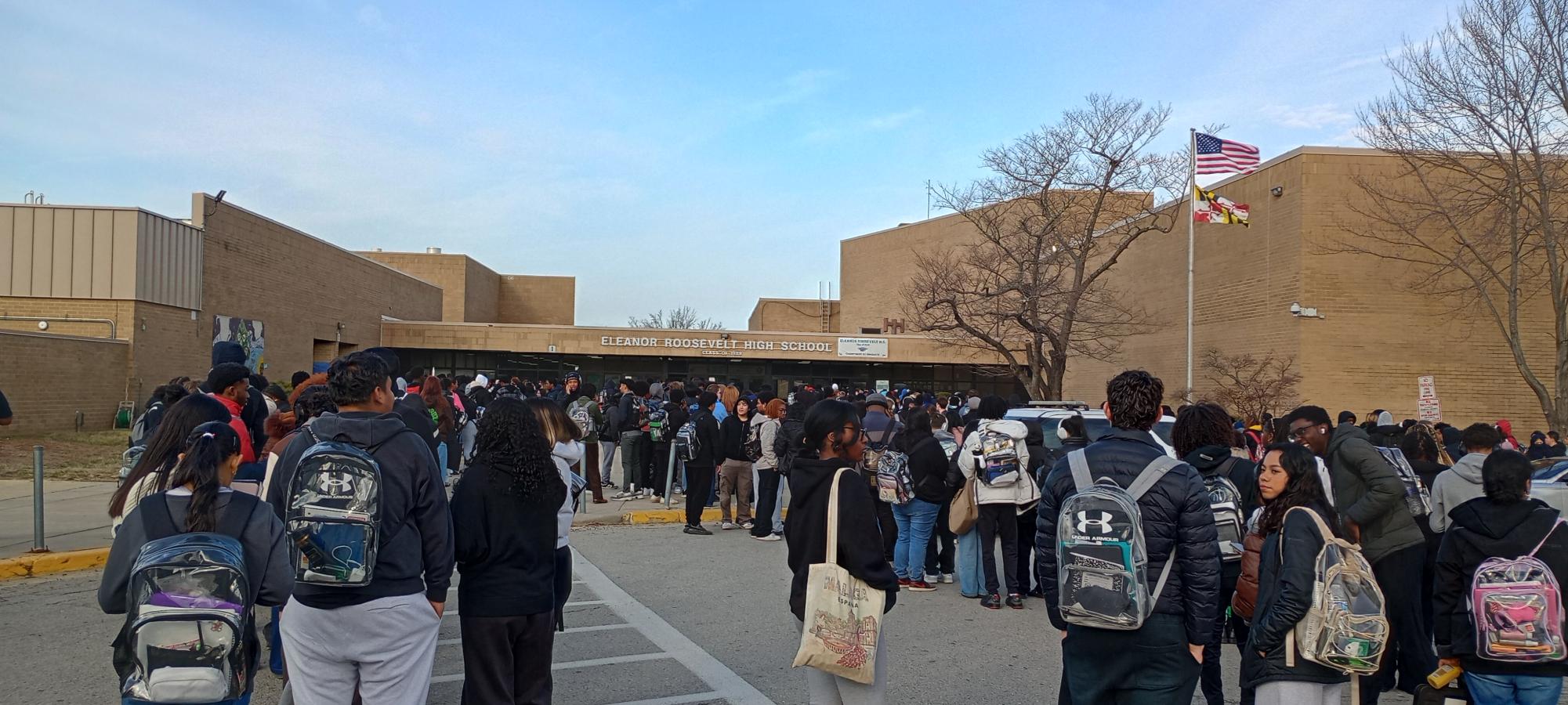
The Detectors installed at ERHS and across the county are not designed to detect small to medium knives, or even small handguns. One reason CEIA Opengate specifically is not the right choice for schools is that, according to IBM, “When security tools fail to identify an alert’s root cause, multiple alerts may be generated for the same underlying event. Teams then investigate each alert individually, unaware they’re linked. This can inflate the number of false positives and lead to [alarm] fatigue.” Many other metal detectors like the CEIA PMD2 Plus/EZHD are not only cheaper, but also detect specific areas and intensity of detections. CEIA’s Opengate metal detector is designed for efficient scanning at stadiums, not schools. It is impossible to have an efficient school schedule while maintaining PGCPS security policies and detecting small objects that pose more of a threat coming through by a student rather than an outside threat. The choice to use metal detectors in PGCPS creates a security theater environment that can help genuine threats slip through other safety nets. They’re not just frustrating, they harm the education, environment, and safety of schools across the county.